MIT Disciplined Entrepreneurship — 24 Steps Applied
Building Liddy® The Right Way
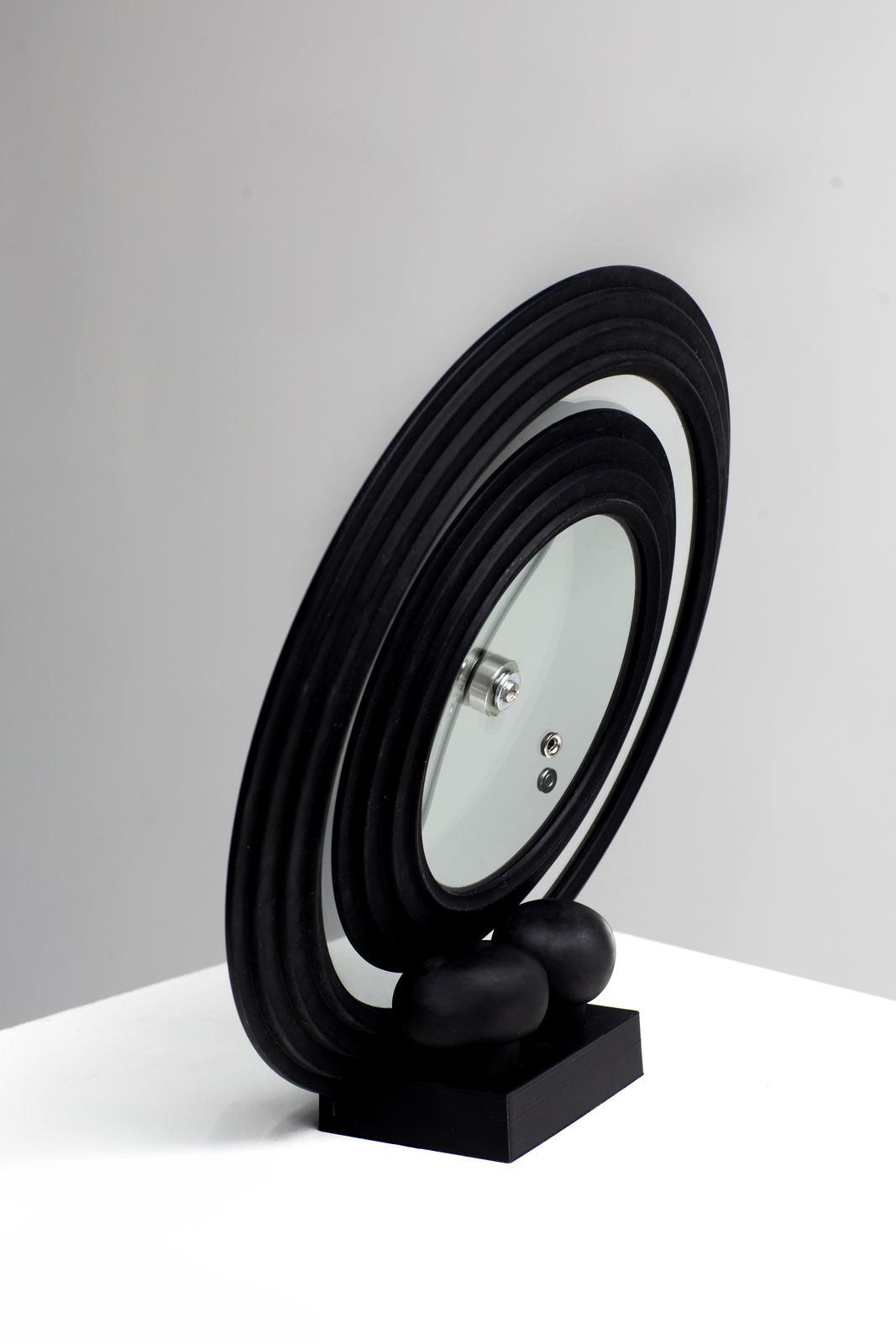
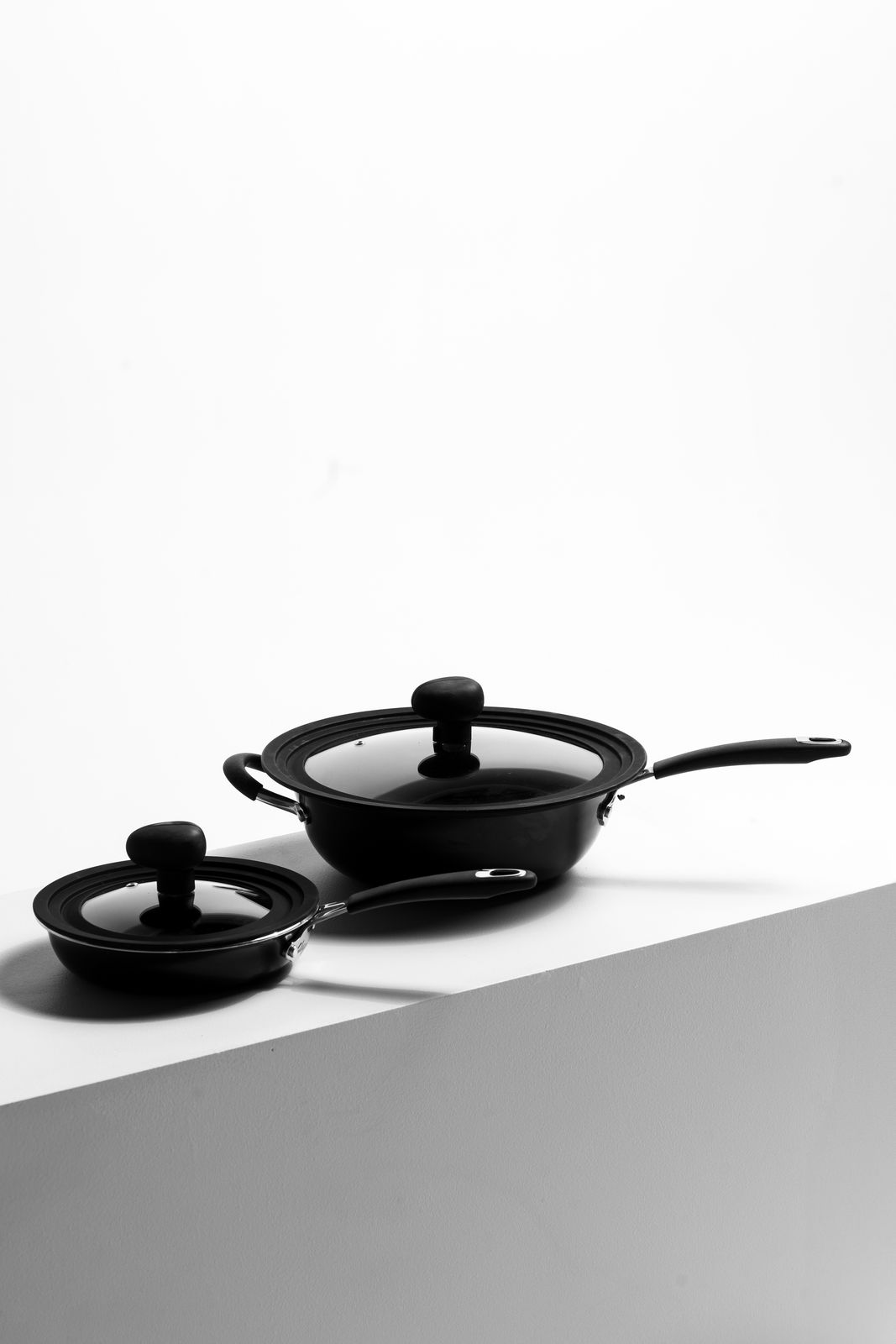
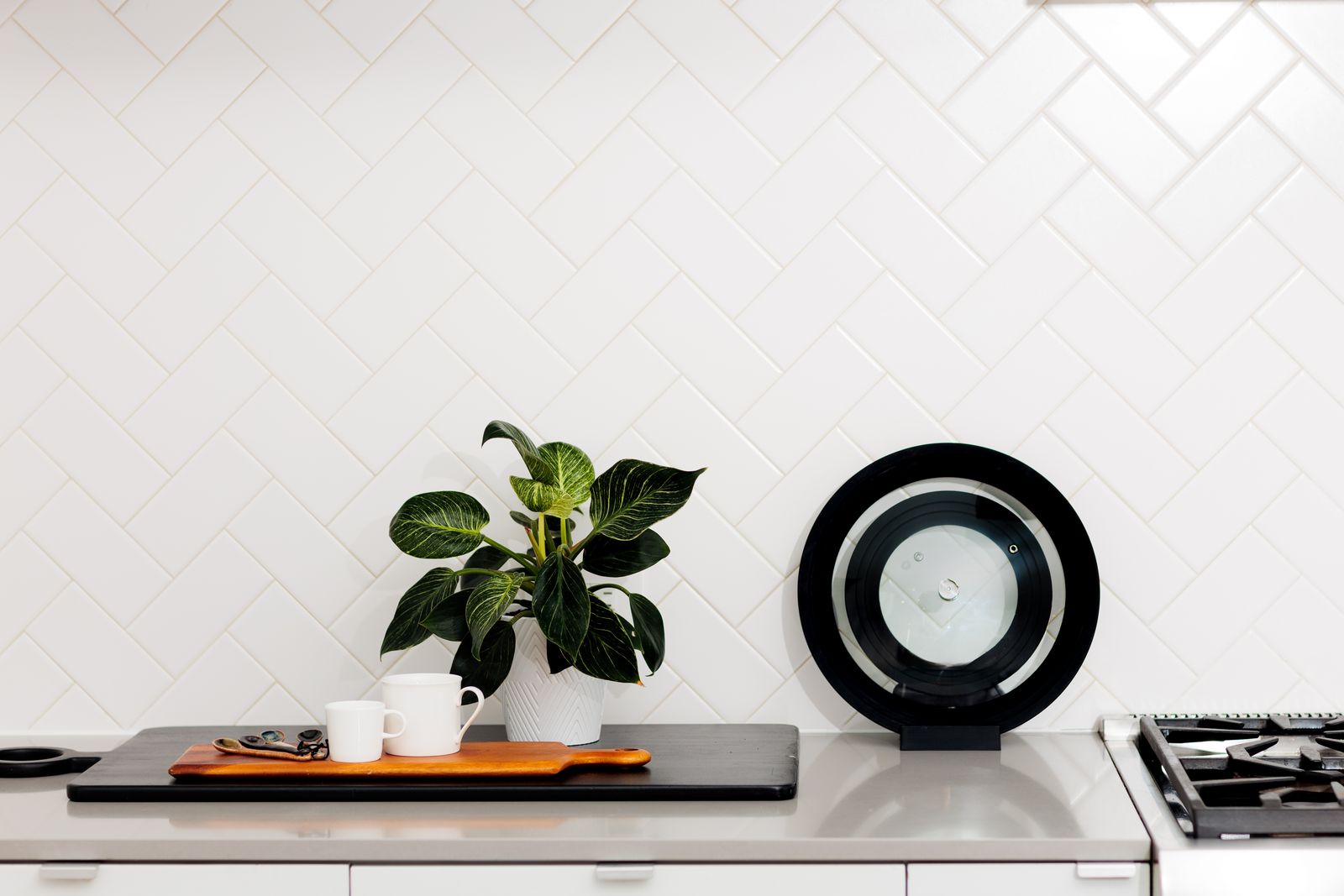
Liddy is a stackable, storable pot lid system designed and assembled in Detroit. This page maps every stage of its development through Bill Aulet's Disciplined Entrepreneurship 24-Step Framework — from identifying the customer all the way to scaling the business.
24
DE Steps
6
Themes
88%
Less Cabinet Space
$50
Per Set
The 6 DE Themes
1
Who Is Your Customer?Steps 1–6 · Market segmentation through use cases
2
What Can You Do for Them?Steps 7–10 · Product spec through competitive core
3
How Do They Acquire Your Product?Steps 11–16 · DMU, sales process, business model
4
How Do You Make Money?Steps 17–19 · LTV, sales process, COCA
5
How Do You Build Your Product?Steps 20–22 · Assumptions, testing, MVBP
6
How Do You Scale?Steps 23–24 · Validation through product roadmap
A Framework Built for Builders
Disciplined Entrepreneurship by MIT's Bill Aulet gives founders a rigorous, repeatable process for launching new ventures. Below, each of the 24 steps is applied directly to Liddy — showing exactly how a real product earns its market.
🎯
Theme 1 · Steps 1–6
Who Is Your Customer?
Understanding exactly who has this problem — and why they'll pay to solve it.
01
Market Segmentation
Define all possible markets
Liddy's initial segmentation identified several candidate markets: apartment dwellers, professional chefs, suburban homeowners, kitchen organizers, and cookware retailers. Each was evaluated on pain intensity, willingness to pay, and reachability.
Liddy's Segments
Urban renters with small kitchens · Homeowners seeking organization · Cookware brands seeking white-label · Retail housewares buyers
02
Select a Beachhead Market
Pick the one ideal entry point
Liddy's beachhead market is US home cooks in urban/suburban households who actively seek kitchen organization solutions. This group has a clear, recurring pain point, $50+ of purchasing authority, and actively shares solutions on social media — making them natural advocates.
🏠 ~40M US households with small-kitchen challenges
03
Build an End User Profile
Who actually uses the product day-to-day?
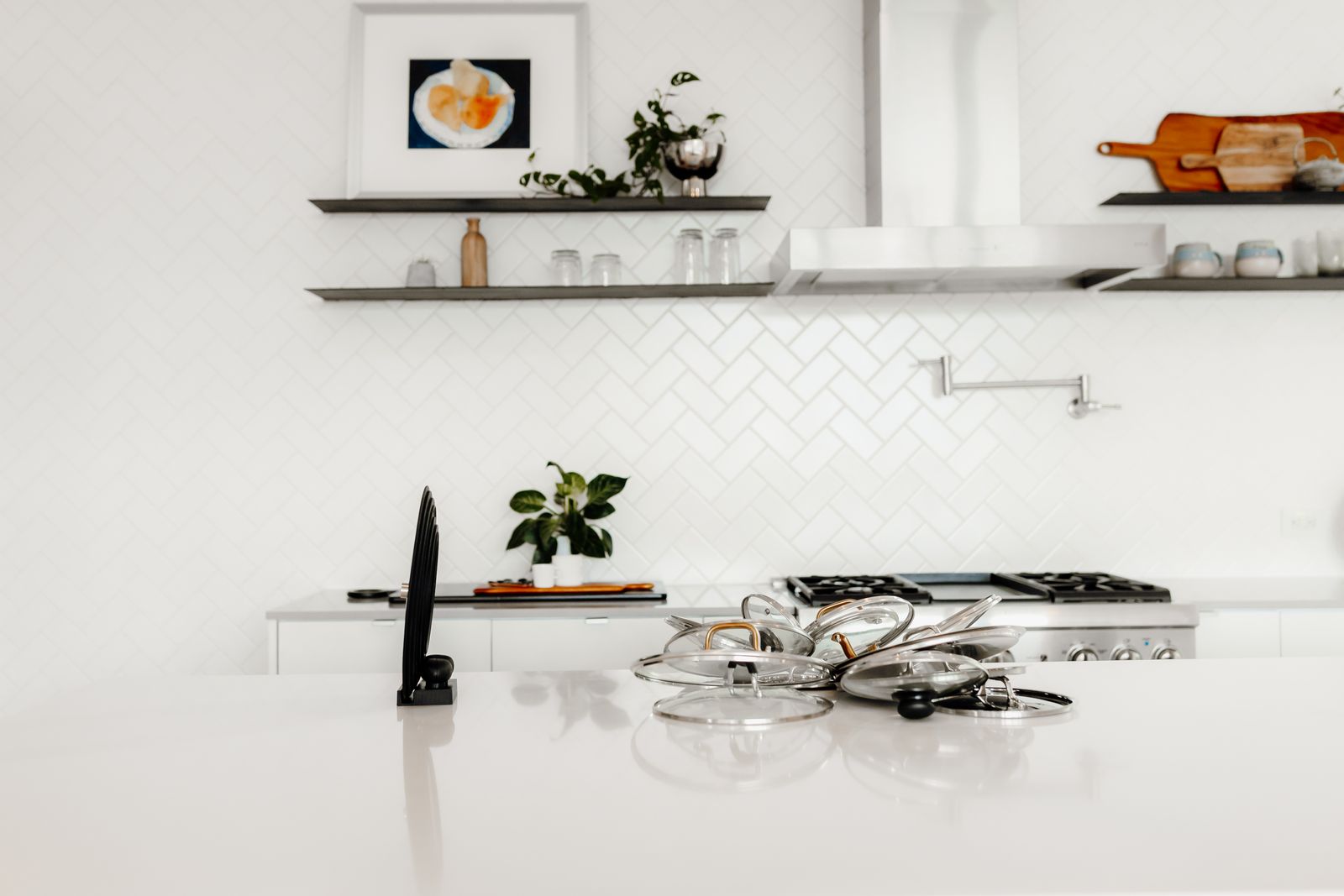
The primary end user cooks 3–5 evenings per week, lives in a home with limited cabinet storage, owns 6–10 mismatched pot lids, and has already tried and been disappointed by wire racks. They value both functionality and kitchen aesthetics.
End User Snapshot
Age 25–45 · Urban or suburban · Cooks regularly · Values kitchen cleanliness · Shares home content online
04
Calculate TAM — Beachhead
Total Addressable Market, beachhead only
~130M US households. ~60% are active home cooks. Of those, ~50% experience lid storage frustration. That's ~39M households × $50 per set = ~$1.95B beachhead TAM. Even at a 1% capture rate, that's $19.5M in revenue.
💰 ~$1.95B US beachhead TAM
05
Profile the Persona
The specific decision-maker with a name and a story
"Sarah" — 32, renting a 2-bedroom apartment in Detroit. Cooks 4 nights/week. Has 8 lids crammed in a cabinet that causes an avalanche every time she opens it. She's spent $30+ on a wire rack that didn't work. She follows kitchen organization accounts on Instagram and TikTok. She'll pay $50 for a solution that actually works.
06
Full Life Cycle Use Case
How Sarah goes from problem to advocate
Trigger → Sarah has another cabinet avalanche. Awareness → Sees Liddy on TikTok / Google search. Purchase → Orders S/L Set at liddy.store ($50). Onboarding → Installs base station, swaps lids in 5 min. Daily Use → Two lids handle everything she needs. Advocacy → Posts a before/after photo; leaves ★★★★★ review.
⚡
Trigger
→
📱
Discover
→
🛒
Buy
→
→
🍳
Use Daily
→
❤️
Delight
→
📣
Advocate
💡
Theme 2 · Steps 7–10
What Can You Do for Your Customer?
Defining the product, its value, and what makes it defensible.
07
High-Level Product Specification
What exactly are we building?
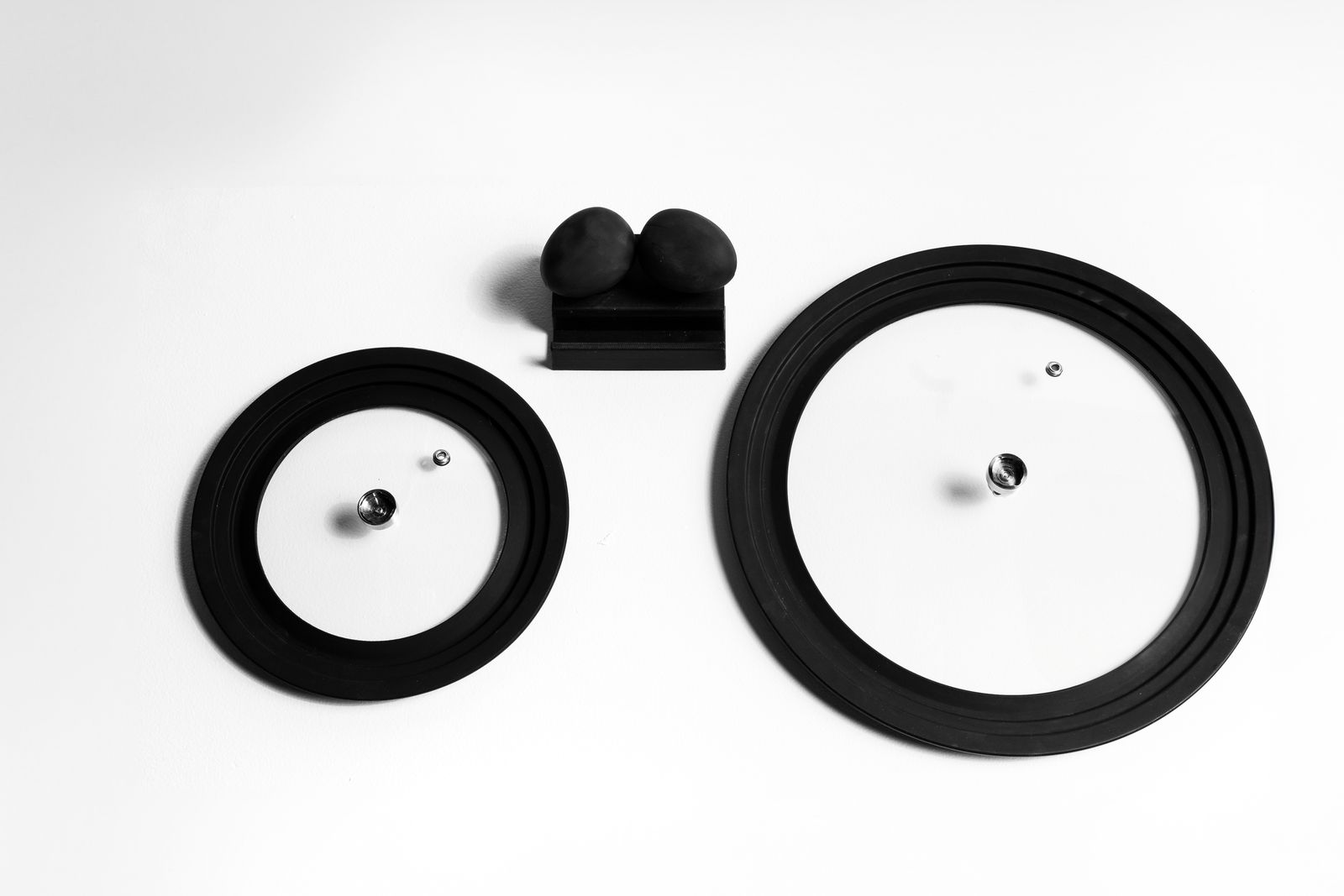
Two tempered-glass universal lids with FDA-grade silicone rims. Two quick-release handles with ¼-turn locking. One vertical base station for countertop or cabinet storage. Spare O-rings. Dishwasher safe. Designed and assembled in Detroit.
Two Sets AvailableS/L Set — fits 6–8″ & 10–12″ pots · M/XL Set — fits 7–9″ & 11–13″ pots
08
Quantify the Value Proposition
Put numbers on the benefit
A typical wire rack stores 6 lid sizes across ~24 inches of cabinet width. One Liddy set stores the same 6-size coverage in ~3 inches — an 88% reduction in storage footprint. Two lids replace an average of 6–8 individual lids worth $60–120 in cost to replace. At $50, Liddy is simultaneously cheaper and better.
Storage Width Comparison
Wire Rack
24 inches
Liddy System
3"
88%
less cabinet space
📐 88% less cabinet space used
09
Identify Your Next 10 Customers
Who are the first real buyers?
Early adopters were sourced through farmers markets in Metro Detroit, direct Instagram DMs to kitchen organization followers, and outreach to people posting "lid storage" frustration content. Each was contacted personally, offered a discounted pre-sale, and became a source of feedback.
Where Early Buyers Came From
Local markets · Instagram organic · TikTok kitchen community · Friend-of-friend referrals
10
Define Your Core
What's the defensible, unique capability?
Liddy's technical core is the ¼-turn interlocking handle + universal silicone rim system that achieves one-set-covers-six-sizes results with a smaller footprint than any competing product. The brand core is "intelligent kitchen simplification." Together, these are protected by a utility patent filing and a registered trademark.
IP Status
Utility patent filed · Registered trademark · Proprietary silicone rim spec
🛒
Theme 3 · Steps 11–16
How Does Your Customer Acquire Your Product?
The competitive landscape, buying process, business model, and pricing.
11
Chart Your Competitive Position
Where does Liddy sit in the market?
Traditional wire racks: low cost, high storage footprint, no universal fit. Random Amazon lids: low cost, no system, no storage solution. Liddy: premium price, minimal footprint, universal coverage, complete system. No competitor occupies the same unique position in the "universal fit + complete storage system" quadrant.
Liddy's Unique Position
Universal fit · Stackable storage · Premium quality · American-made
12
Determine the DMU
Who's involved in the buying decision?
Champion & Decision Maker: Primary household cook — researches, decides, and pays. Influencers: Kitchen organization creators on Instagram/TikTok. Gift buyers (birthdays, housewarmings). For licensing deals (B2B): Cookware brand product managers and procurement directors become the champion; VP of Sales becomes the economic buyer.
13
Map the Acquisition Process
Step-by-step journey to first purchase
1. Awareness — TikTok/IG ad or organic search "pot lid organizer" 2. Interest — Visits liddy.store; watches demo, reads reviews 3. Consideration — Reviews FAQ, checks cookware fit, sees $50 price 4. Purchase — Adds to cart; ships free or local pickup in Detroit 5. Delight — Easy 5-min setup; immediate cabinet transformation 6. Advocacy — Social post, review, referral
🔎
1. Awareness — TikTok/IG ad or "pot lid organizer" search
6. Advocacy — Social post · ★★★★★ review · referral
14
TAM — Follow-on Markets
What's the bigger picture?
Three major follow-on markets exist: (1) Retail — Williams Sonoma, Target, Home Depot housewares; (2) Licensing — Top global cookware brands (Meyer, T-fal, All-Clad) who bundle Liddy with their lines; (3) International — European and Asian expansion with licensed partners. Combined follow-on TAM exceeds $2B globally.
🌍 $2B+ global follow-on TAM
15
Design a Business Model
How does Liddy capture value?
Phase 1 (Active): Direct-to-consumer via liddy.store — full margin on $50 sets. Phase 2: Wholesale to retail — sell at $25–30 to housewares retailers for shelf placement. Phase 3 (Target): IP Licensing — per-unit royalty of $2–5 to cookware brands who bundle Liddy into their product lines.
Licensing is the highest-leverage model with lowest operational overhead.
License Model Advantage
No manufacturing scale risk · Immediate mass distribution · Brand co-elevation · Recurring royalty revenue
16
Set Your Pricing Framework
Price for value, not just cost
D2C: $50/set — priced below replacement cost of lids it replaces ($60–120), with significant space/convenience premium baked in. Wholesale: $23–28/set to retailers giving 45–55% margin. Licensing royalty: $2–5/unit depending on volume — attractive to partners at scale. Premium set (future): $75–80 with extended-coverage or premium materials.
💰
Theme 4 · Steps 17–19
How Do You Make Money Off Your Product?
Unit economics, customer lifetime value, and acquisition costs.
17
Calculate Customer LTV
How much is each customer worth over time?
Average customer buys 1.6 sets at $50 = $80 initial value. Replacement O-rings ($8) + optional drawer accessory ($15) per year = $23 annual recurring. Over a 5-year horizon: LTV ≈ $195/customer. Word-of-mouth referrals (avg 1.2 per satisfied customer) multiply this further.
5-Year LTV Breakdown
$80 initial
$115 recurring (5yr)
1.6 sets × $50
$23/yr × 5 years
$195 Total LTV+ 1.2 referrals per customer
📊 ~$195 LTV per customer (5-year)
18
Map the Sales Process
The exact steps from lead to close
D2C: Paid social (Meta/TikTok) → landing page → Add to Cart → Checkout → Order confirmation email → 3-day follow-up → Post-purchase review request → Referral ask.
B2B (Licensing): Outbound to cookware brand product team → discovery call → sell sheet + demo sample → pilot MOU → unit economics discussion → term sheet → LOI.
19
Calculate COCA
Cost of Customer Acquisition
Paid (Meta/TikTok): ~$18–25 per acquired customer at current scale. Organic (social, word-of-mouth): ~$3–5 per customer. Blended COCA: ~$14 (improving as organic share grows). LTV:COCA ratio: $195 ÷ $14 = 13.9:1 — exceptionally strong unit economics demonstrating product-market fit.
Acquisition Cost by Channel
$21Paid
(Meta/TikTok)
$4Organic
(social/WOM)
$14Blended
COCA
LTV $195 ÷ COCA $14 = 14:1 LTV:COCA ratio
📈 LTV:COCA ratio ≈ 14:1
🔧
Theme 5 · Steps 20–22
How Do You Design and Build Your Product?
Identifying assumptions, testing them, and shipping the minimum viable product.
20
Identify Key Assumptions
What must be true for this to work?
Four critical assumptions were identified before investing in production:
Silicone rim achieves ≥80% fit across common cookware
Customers will pay $50 for a lid storage solution
¼-turn mechanism is intuitive without instructions
Base station footprint fits standard 12″ cabinet shelves
21
Test Key Assumptions
Validate before building at scale
All four assumptions were tested empirically:
Test Results
① Tested on 200+ cookware pieces → confirmed ~80%+ fit rate
② Pre-sale page at $50 yielded 4.2% conversion (strong for cold traffic)
③ Unboxing tests with 30 users → 93% succeeded without reading guide
④ Base station fits standard 12″ shelves across all test kitchens
22
Define the MVBP
Minimum Viable Business Product
The Liddy S/L Set is the MVBP — the smallest configuration that delivers the complete value proposition. It includes 2 universal lids, 2 quick-release handles, 2 FDA silicone O-rings, 1 base station, and a quick-start guide. This is what is sold today at liddy.store for $50 with free shipping and 30-day returns.
MVBP is Live
Selling today at liddy.store · Free shipping · 30-day returns · ★★★★★ reviews
🚀
Theme 6 · Steps 23–24
How Do You Scale Your Business?
Proof that customers love it — and a clear roadmap to grow.
23
Show "The Dogs Eat the Dog Food"
Real customers. Real results. Real love.
Liddy has hundreds of verified buyers. Five-star reviews across the board. Organic social media posts from real customers showing before/after cabinet transformations. Repeat purchases. Word-of-mouth referrals. The product solves the problem it promises to solve.
★★★★★
“I was so skeptical, but these lids fit every pot I own. The base station is genius!”
— Sarah M., verified buyer
★★★★★
“Two Liddy lids replaced the eight random lids crammed in my drawer.”
— Jason T., verified buyer
★★★★★
“Made in Detroit. Supporting small business never felt this good.”
— Maria L., verified buyer
24
Develop a Product Plan
The roadmap from here to scale
Phase 1 (Now): D2C via liddy.store. S/L and M/XL sets. Building brand and social proof. Phase 2 (Near-term): Retail partnerships — regional kitchenware boutiques, then national chains (Target, Williams Sonoma, Home Depot). Phase 3 (Target): IP licensing to a top-3 global cookware brand. Liddy bundled as the storage system with their cookware lines. Royalty per unit, no manufacturing scale risk. Phase 4: International expansion through licensed regional partners.
🏪
Phase 1
D2C liddy.store
Active ✓
🏬
Phase 2
Retail Target · WS
Near-Term
🤝
Phase 3
IP Licensing Top-3 Brand
Target
🌍
Phase 4
Global Expansion
Future
Why License Now?
Patent filed · Trademark registered · MVBP proven · Unit economics validated · Brand built · Supply chain ready to scale
Click to expand / collapse
📋 Implementation Action Plan · Mar 2026 → Dec 2027
▾
D2C Foundation
IP Licensing
Retail Entry
Scale / International
Milestone
Mar '26Jun '26Sep '26Dec '26Mar '27Jun '27Sep '27Dec '27
Phase 1 · D2C Foundation
Grow liddy.store Sales
Ongoing · liddy.store + Amazon + farmers markets
TikTok / IG Content Engine
TikTok · Instagram · UGC campaigns
Build 1,000+ Verified Reviews
Post-purchase email flow · referral program
Phase 3 · IP Licensing Deal (Primary Goal)
★ Initial Licensing Pitch
→
Present DE framework · begin partner conversation
Deliver Samples + IP Package
Ship product samples · sell sheet · patent docs
Pilot MOU Negotiation
Royalty structure · exclusivity terms · SKUs
✓ License Agreement Signed
★
Target: Aug 2026
Partner Production Ramp
Tooling · co-branding · bundling with partner cookware lines
Royalty Revenue Begins
$2–5/unit shipped by every licensed partner
Phase 2 · Retail Entry
Boutique Retail Outreach
Regional kitchenware stores · food & gift shows
First Major Chain Pitch
Target · Williams Sonoma · Home Depot buyers
On-Shelf Retail Launch
Planogram placement · end-cap promos · reorder program
Phase 4 · Scale & International
International Licensing
EU & UK partners · APAC cookware distributors
Premium Product Line
Stainless / chef edition · $75–80/set
Second Licensing Partner
Expand IP reach to second major brand
Q1 '26
Initial licensing pitch
Aug '26
License agreement target close
Q1 '27
Retail on-shelf launch target
Q3 '27
International & premium expansion
Ready to Bring Liddy® to Scale?
Liddy has completed every step of the Disciplined Entrepreneurship framework. The technology is proven, the market is validated, and the IP is protected. Let's talk about putting Liddy in every kitchen in America.